High Rises Near Austin Tech Campuses: Apple, Tesla, Google, Oracle
Match your employer to a district: Apple in Northwest Austin, Tesla in Southeast Travis County, and downtown offices, via MoPac, I-35 and SH-130.
By the Austin High Rise Apartment Team · · 7 min read
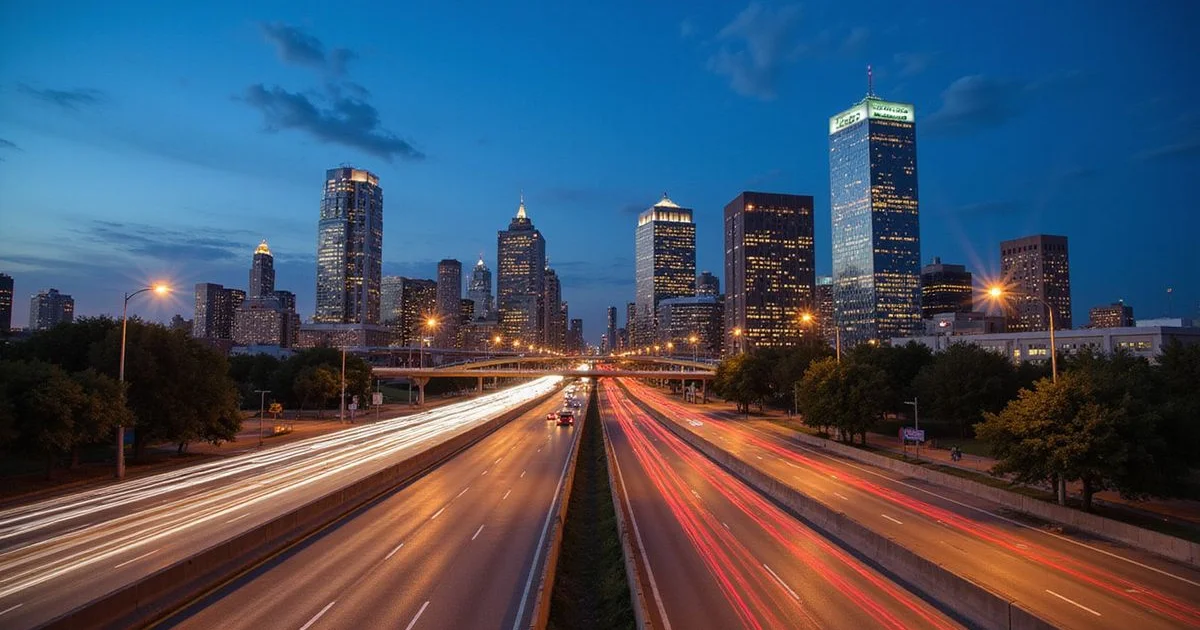
Finding the right neighborhood starts with understanding the daily drive.
The TomTom 2026 Traffic Index shows local drivers lose 60 hours a year to rush hour congestion. We always map exact routes to find the right property before doing anything else.
Your specific office location dictates whether you should prioritize high rise apartments near apple campus austin or a downtown loft. Our team uses a specific strategy when building a corporate housing shortlist for clients. This guide breaks down the major corridors and helps you align your address with your employer.
Match your campus to a district first
Choosing a neighborhood near your specific tech campus is the single best way to cut your daily drive in half. Apple sits far northwest, Tesla occupies the southeast corner, and Google anchors downtown. We see a 10-mile commute take 15 minutes in one direction and 45 minutes in the other.
Traffic flow is highly directional during peak hours. Our regional analysis tracks where major employers place their teams. The breakdown below explains the geographic spread of the major companies.
- Northwest Tech Hub: Apple expanded its $1 billion Parmer Lane campus to house over 6,000 employees.
- Downtown Core: Google occupies Block 185, sharing the central district with Meta and Oracle.
- Southeast Manufacturing: Tesla operates Gigafactory Texas at 13101 Tesla Road.
- Suburban Outposts: Samsung and Dell maintain large footprints in Taylor and Round Rock.
High rise options are heavily concentrated in the central business district. A few new towers are emerging in the Domain area to the north.
Commute corridors in plain terms
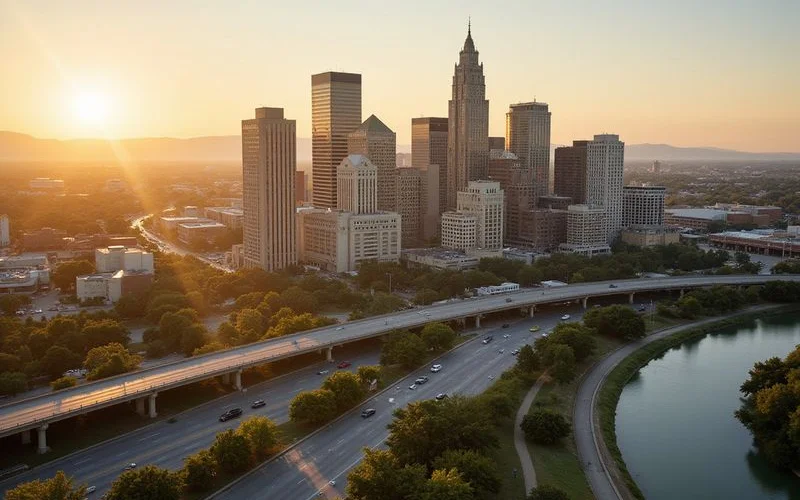
The four main arteries you must know are MoPac, I-35, SH-130, and Highway 71. These highways dictate how fast you can travel between your apartment and the office. We evaluate these routes daily to help clients avoid gridlock.
Each highway serves a distinct geographical sector of the city. Our list below explains the basic function of each major road.
- MoPac (Loop 1): This north-south route runs along the west side of central Austin. It provides the most direct path from downtown to Northwest Austin.
- I-35: The primary interstate runs north-south along the east edge of downtown. It is direct but frequently stalls completely during the 5:00 p.m. rush hour.
- SH-130: This eastern toll road bypasses the central city gridlock. It is highly useful for reaching the Tesla Gigafactory.
- Highway 71: This road runs east from downtown toward the airport. It connects central residents to Southeast Travis County.
By employer
Your daily destination dictates which apartment buildings make sense for your lifestyle. We categorize the best housing options based on the largest corporate campuses. Let us look at the top choices for each major tech employer.
Apple (Northwest Austin)
The fastest commute to the Parmer Lane campus comes from living in North Austin or the Domain. Downtown living requires a reverse commute north up MoPac. We often recommend The Bowen or Solaris House for the absolute shortest drive.
Those who prefer a central, urban lifestyle should look at West Downtown. Our clients frequently choose The Residences at ATX Tower or Northshore for quick MoPac access. Many Apple employees happily trade a 25-minute drive for walkability.
The Hybrid Advantage
A three-day office schedule makes the longer drive from downtown highly manageable for most professionals.
Tesla Gigafactory (Southeast Travis County)
The quickest route to Gigafactory Texas is via Highway 71 from East Downtown or the Brazos district. The facility employs over 16,000 people and sits just off SH-130. We point clients toward Alexan Waterloo and Hanover Brazos Street for easy highway access.
Rainey Street is another excellent option because it sits two blocks from the I-35 frontage road. You can find standard apartments near tesla gigafactory austin, but central towers offer superior lifestyle amenities. Our team always warns newcomers about the lively evening crowds near Red River.
If you need quiet sleep for an early factory shift, you must request a unit facing away from the music venues.
| Starting District | Primary Route | Average Drive Time |
|---|---|---|
| East Downtown | Hwy 71 East | 15 to 20 minutes |
| Rainey Street | I-35 to Hwy 71 | 18 to 25 minutes |
| Central Core | 6th Street to I-35 | 25 to 35 minutes |
Google, Meta, Oracle, Indeed and other downtown offices
Walking to work is entirely possible if you choose a building in Congress Avenue, Republic Square, or West Downtown. This proximity completely eliminates the need for a daily highway commute. We love showing clients properties like 415 Colorado and Ashton Austin.
Rainey Street also works well for reaching Congress Avenue offices on foot. Our renters who walk to work often decide to sell their second vehicle.
Skipping the garage fee saves you up to $207 per month on average in 2026. Apartments near google austin provide the ultimate urban convenience.
Samsung, Dell, Amazon and other campuses
These suburban sites require highly specific mapping because building locations vary widely by team. A route from downtown to the new Samsung Taylor facility takes much longer than a trip to an Amazon Domain office. We map the exact address at your specific shift time to verify the true drive.
Traffic density changes dramatically between noon and the 5:30 p.m. rush. Our customized reports compare a downtown tower with a North Austin option side by side.
Map it at your real hour
We check the austin tech commute at the exact time you will actually drive it, in both directions. A route that looks fine at noon can double in length at 5:30 p.m.
Should you live near the campus or downtown?
The choice between the suburbs and the city center depends entirely on your weekly office schedule and lifestyle priorities. You must weigh the cost of a daily drive against the benefits of urban walkability. We use a simple framework to help clients make this decision.
The chart below outlines which priorities align best with each location.
| Priority | Lean toward |
|---|---|
| Shortest possible commute | The district closest to your campus, or North Austin for northern sites |
| Walkable evenings, restaurants, trail | Downtown, and accept the drive |
| Hybrid schedule (2 to 3 office days) | Downtown, the commute matters less |
| Car-free life | Downtown, near a downtown office |
Our consultants find that hybrid workers generally prefer the downtown lifestyle. Full-time office employees usually favor proximity to their desk.
What the commute actually feels like
Distance on a map tells you very little about driving in Central Texas. Direction and timing tell you almost everything you need to know. We see a few distinct patterns with professionals relocating to the area.
A reverse commute makes a massive difference for downtown residents driving north. Our clients driving to the Parmer Lane tech hub in the morning move against the heaviest inbound traffic. Coming home in the evening is usually slower.
- I-35 is unpredictable. It is the most direct north-south route but frequently jams. Renters in East Downtown are minutes from it, which is great at 10 a.m. but terrible at 5:30 p.m.
- MoPac offers stability. The western highway is often more predictable for daily travel. This is why many Apple commuters lean toward West Downtown and Seaholm.
- Toll roads change the math. SH-130 bypasses much of the central congestion on the way to the Gigafactory. You must budget $4 to $8 daily for tolls if you use it regularly.
- Walking beats everything. Renters working at a downtown office often drop the second car entirely. This saves money on a reserved garage space, fuel, and insurance.
Questions to answer before choosing
You need to define your exact routine before signing a lease. These specific details will quickly eliminate the wrong neighborhoods from your list. We ask every new client to answer four basic questions.
Providing this information allows us to run accurate traffic simulations.
- How many days a week will you be on campus?
- What time do you arrive and leave?
- Will you drive, take transit, or walk?
- Do you want to be close to work or close to the trail, restaurants, and nightlife?
Our team will map the real drive from each candidate tower in both directions. Most relocators are surprised to learn which district actually wins.
Next steps
Send us your office address, start date, and budget to receive a curated list of building options. You can review the specific commute metrics for every property we suggest.
We will provide three to five towers with accurate drive times for each.
If you are still choosing between the urban core and the suburbs, read Downtown vs. Domain vs. East Austin vs. Mueller. Our district page covers excellent North Austin & Beyond Downtown options. Reach out today to start planning your relocation.