
Relocating to Austin on a 2–3 week deadline
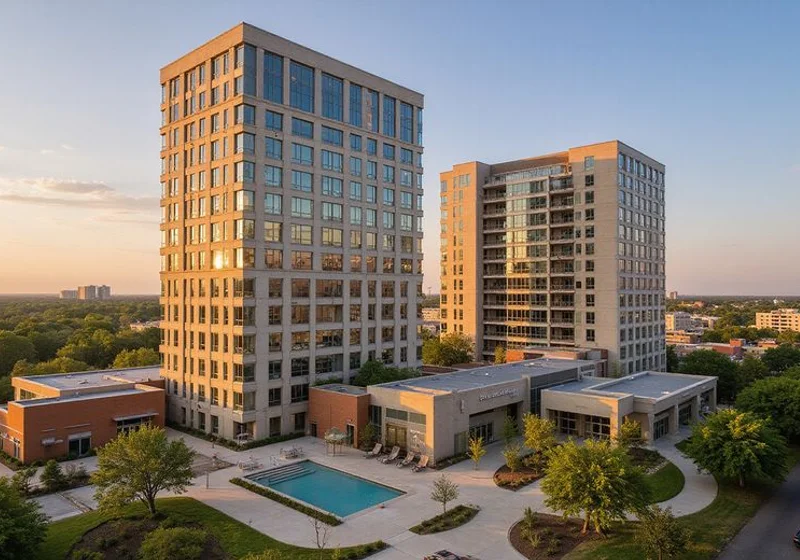
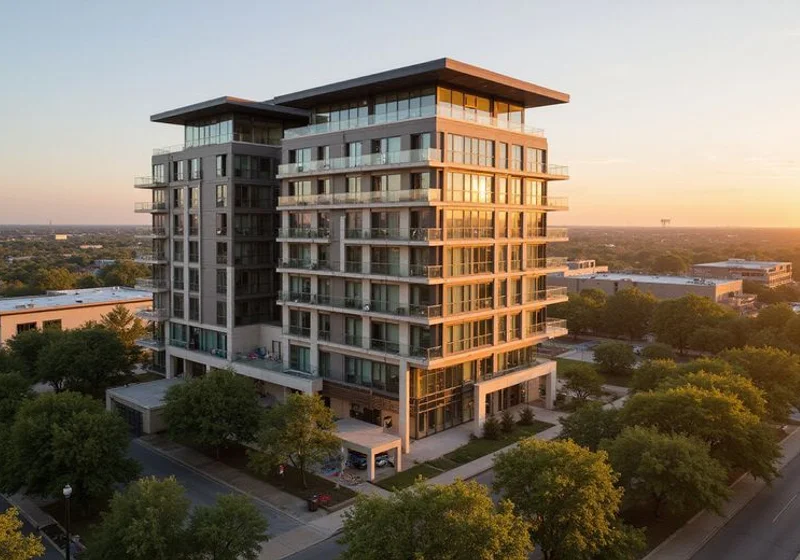
Most of the relocators we place in Austin high rise apartments land with a start date, a hotel reservation and no idea whether Rainey Street or the Domain makes sense. Austin’s growth was fueled by corporate relocations from Apple, Tesla, Google, Oracle, Meta, Samsung, Dell, Amazon and Indeed, and the metro added roughly 58,000 people a year between 2020 and 2025. A lot of those people needed a signed lease in 2–3 weeks.
We handle the whole thing with one contact: neighborhood context (Downtown vs. Domain vs. East Austin vs. Mueller), commute mapping to your campus, corporate lease navigation and furnished unit sourcing. You don’t have to research a city you’ve never lived in from a hotel room.
Which high rise district fits your employer?
| Employer location | Best-fit district | Why |
|---|---|---|
| Apple, Parmer Lane campus (Northwest Austin) | West Downtown & Seaholm, or North Austin | Quickest MoPac (Loop 1) access; The Bowen and Solaris House cut the drive further |
| Tesla Gigafactory Texas (Southeast Travis County) | East Downtown & Brazos | Fastest route east via Hwy 71 and SH-130 |
| Google, Meta, Indeed Tower, Oracle and other downtown offices | Congress Avenue & Republic Square, Seaholm, Rainey | Walkable, often car-optional |
| Samsung Austin Semiconductor, Dell | Depends on shift timing | We map I-35 and SH-130 at your real drive hour |
The full breakdown is in our guide to high rises near Austin tech campuses, and if you’re still choosing a neighborhood, read Downtown vs. Domain vs. East Austin vs. Mueller.
Corporate leases, stipends and guarantees
Your employer’s relocation package shapes which buildings make sense. There are three common setups:
- Personal lease, paid with a relocation stipend. The most common. You sign, and the stipend covers the deposit, fees or first months.
- Personal lease with a corporate lease guarantee. Your company guarantees the lease, which helps when your Austin income history is short.
- Company-signed or master lease agreement. Your employer is the tenant. Fewer towers handle these smoothly, and we know which ones do.
Screening still applies. Most towers want income at 2.5×–3× monthly rent, and many accept offer-letter income verification. We confirm what each building accepts before you pay an application fee.
Keep move-in cash intact
Most Austin towers accept at least one deposit alternative (Jetty, Obligo, TheGuarantors or Rhino). For relocators juggling two households, that can free up a full month’s rent. See deposit alternative apartments.
Furnished, unfurnished or short-term?
Furnished units carry a premium, and availability shifts month to month. Short-term leases carry another premium, and concessions usually apply only to 12+ month terms. Many relocators take a furnished or short-term unit to start, then move to an unfurnished 12-month lease once their household goods arrive. We lay out the trade-off with real numbers in furnished vs. unfurnished high rise leases.
What happens before you arrive
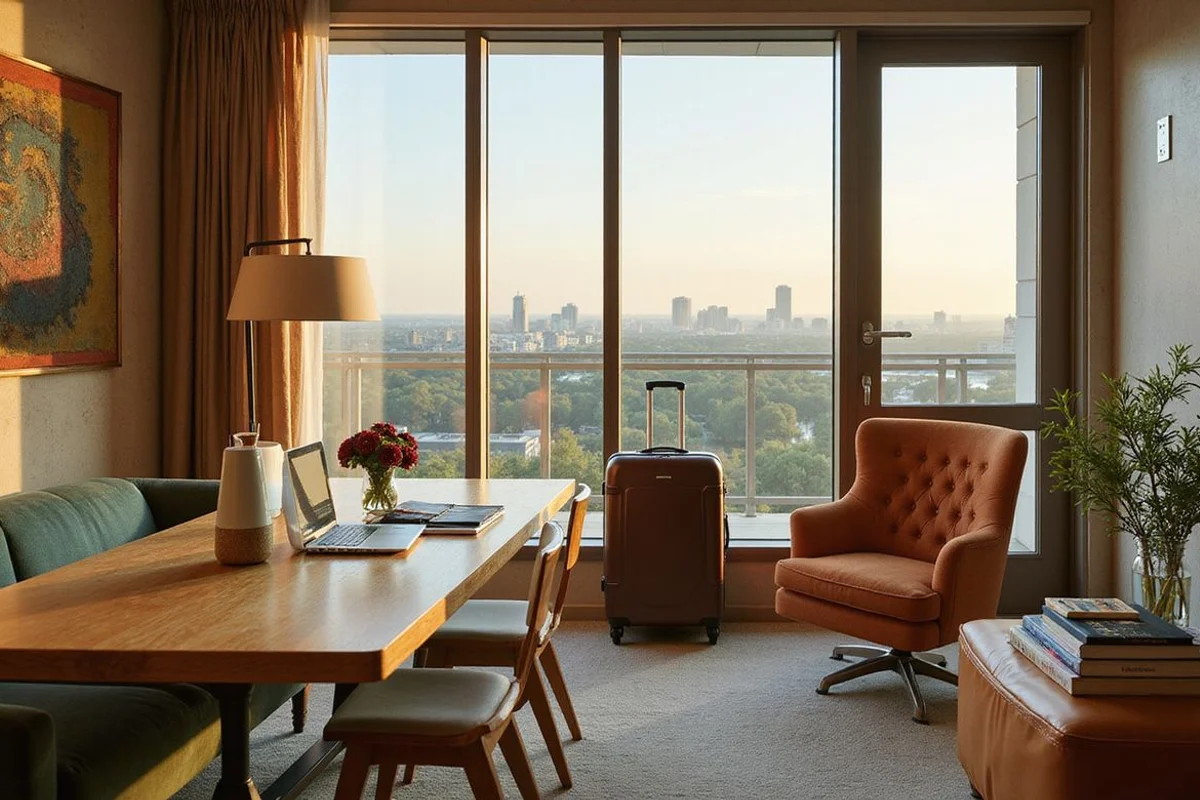
We run a live video tour of the exact unit, not the model. We verify floor, view and noise exposure, and we flag the things a camera won’t catch: a unit over a loading dock, a west-facing stack that bakes in August, or a garage that charges $250 for a reserved space. Then we get the concession, fees, unit number and move-in date confirmed in writing. Our guide to signing an Austin lease before you arrive walks through every check.
When you land, the freight elevator is booked, utilities and internet (often Google Fiber or a building package) are set up, and keys are waiting. Our Austin corporate relocation guide has the full week-by-week timeline.