Signing an Austin Lease Sight Unseen: How to Do It Safely
Video tours from agents who toured every building, floor and view checks, remote applications, and what to confirm in writing.
By the Austin High Rise Apartment Team · · 6 min read
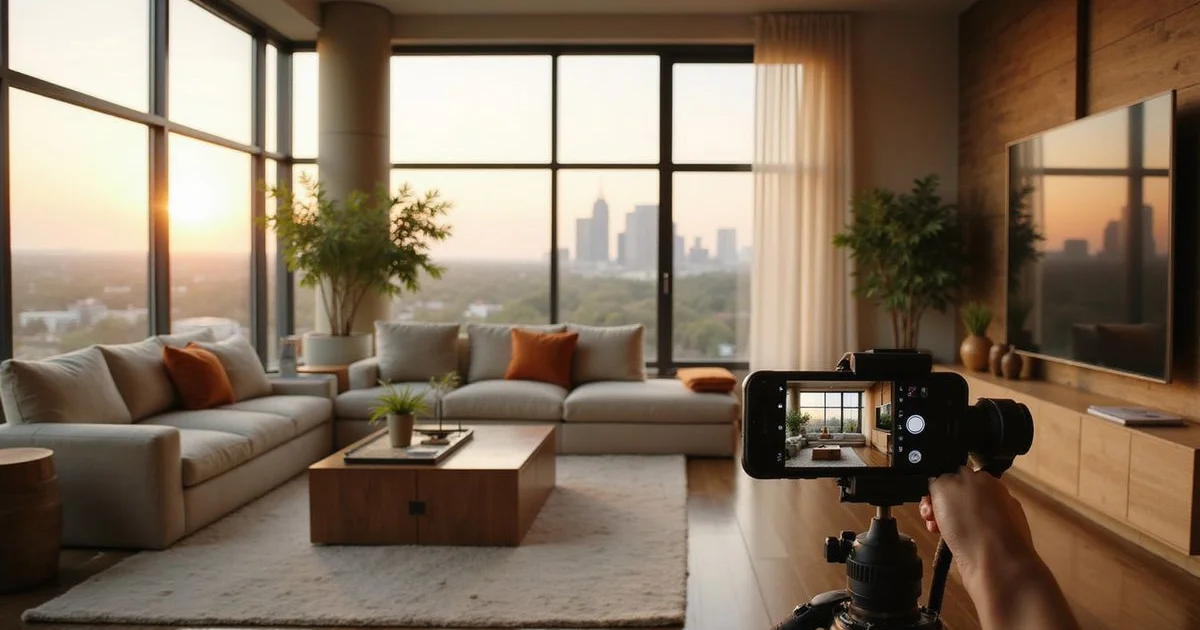
Leasing from out of state is normal now
Most of the relocators we work with sign before they set foot in Austin. They’re on a 2–3 week deadline, often still working in another city, and flying in twice isn’t realistic. Leasing sight unseen is safe if you do it the right way. Here’s how we handle it in our relocation housing service.
The risk is in what you can’t see
Photos and model units show the best version of a building. The things that actually go wrong for remote renters are predictable:
- The unit is on a low floor facing a loading dock, garage entrance or bar patio
- The view in the listing is from a different stack or floor
- The “lake view” is a slice of water between two towers
- Construction next door runs all day
- The quoted concession expired or applies to a different lease length
Every one of these is avoidable.
Step 1: Tour the exact unit on live video
Not the model. Not a pre-recorded walkthrough. A live video tour of the unit you’ll lease, with the person filming answering your questions. We show:
- Every room, closet and the bathroom fixtures
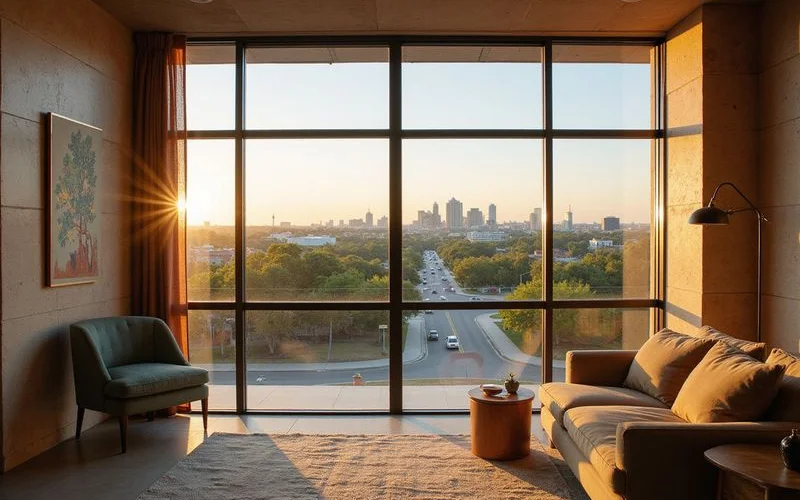
- The view straight out of each window, including what’s below
- The hallway to the elevator and the elevator wait
- The garage, parking spot location and package room
- The amenity deck and gym
Step 2: Fill in what the camera misses
A camera can’t tell you how loud the street is at 1 a.m. on a Saturday, or whether management fixes a leaking faucet in a day or a week. That’s where it helps to work with someone who has toured every building in person. We know which side of each Rainey tower faces the bars, which units sit over the loading dock, and how each management company handles maintenance.
Ask what’s being built nearby
Downtown still had 8.4% of its inventory under construction in Q2 2026 (Matthews). A crane across the street means daytime noise and possibly a blocked view.
Step 3: Apply remotely
All 23 towers we cover accept online applications. You’ll typically need:
- Government ID (uploaded)
- Offer letter or recent pay stubs
- Rental history
- Application fee ($50–$100 per applicant)
We confirm the building’s screening criteria first so you don’t pay a fee where you won’t qualify. Income rules usually run 2.5×–3× rent, and many buildings accept offer-letter income for relocators.
Step 4: Confirm everything in writing
Before you pay a deposit or sign, get written confirmation of:
- Unit number (and floor and stack)
- Rent and lease length
- Concession: amount, upfront or prorated, and any clawback
- Fees: admin, amenity, valet trash, utility package, pet
- Parking: space type and monthly cost
- Move-in date and freight elevator slot
- Deposit or deposit alternative terms
Step 5: Arrive to a ready apartment
We coordinate keys, freight elevator booking, utilities and internet setup so the apartment is ready when you land. If anything doesn’t match what you were shown, document it on day one with your move-in inspection.
Red flags on a remote lease
Most remote leases go smoothly. These are the warning signs that tell us to slow down:
- The video tour is of a model or a different unit. Ask for the exact unit number on camera, including the view out the window.
- The agent won’t show the hallway, garage or what’s below the window. Those are where surprises hide.
- The concession is “verbal for now.” Concessions change monthly. If it isn’t in the concession rider with your unit number, it isn’t confirmed.
- Pressure to pay a deposit before you’ve seen the lease. Ask for the full lease and addenda first.
- A listing that asks for payment by wire or gift card or comes from someone who isn’t the building’s leasing office. Pay only through the building’s official portal.
What to ask on the video call
- Can you show me the view from each window, and what’s directly below?
- Which direction does this unit face, and what’s built or planned in front of it?
- Can you walk from the unit to the elevator and down to the garage?
- What’s above this unit: another apartment, the amenity deck or mechanical space?
- What’s the parking situation for this unit, and what does it cost?
Remote renters often worry most about noise, and it’s the hardest thing to judge on video. That’s why it helps to work with someone who has stood in these buildings on a Saturday night. On Rainey Street, for instance, we can tell you which stacks face the bars and which face the lake before you choose.
For relocators on a tight timeline, our Austin corporate relocation guide shows how a remote lease fits into a two-to-three-week plan.
When to fly in anyway
If you’re choosing between two very different buildings, have specific accessibility needs, or are signing a penthouse lease, a one-day trip can be worth it. We’ll schedule every tour back to back.
Ready to start? Book a video tour with your move date and budget. For the full timeline, read the Austin corporate relocation guide.